Loading movie...
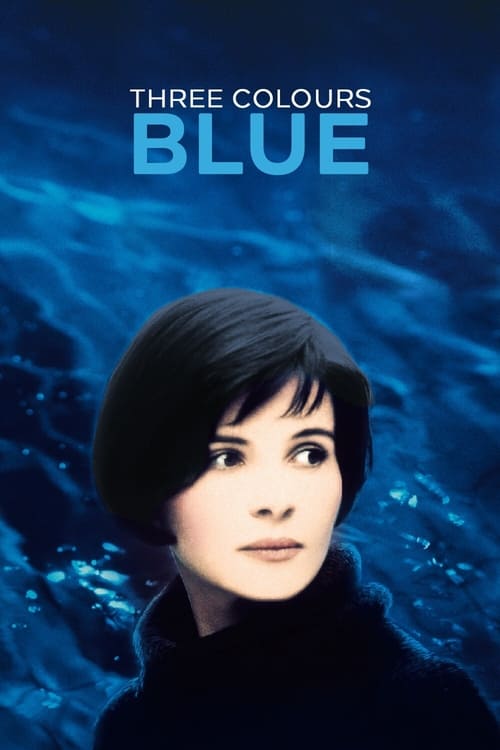
Three Colors: Blue (1993)
Runtime98 min
Rating15
Your reaction:
Watchlist:
The wife of a famous composer survives a car accident that kills her husband and daughter. Now alone, she shakes off her old identity and explores her newfound freedom but finds that she is unbreakably bound to other humans, including her husband’s mistress, whose existence she never suspected.
Critical Reception & Ratings
Three Colors: Blue (1993) is a critically acclaimed drama film that received widespread praise from critics and audiences. The film won the Golden Palm at the 1993 Cannes Film Festival and multiple other accolades, including an Academy Award. Audiences have also responded positively, with the film holding an 8.1/10 rating on IMDb and a 90% critics score on Rotten Tomatoes.
Why you might like this:
Another acclaimed drama by Kieślowski, this meditative film explores grief and isolation in a manner that would likely appeal to fans of Zamachowski's introspective performances.
About
Three Colours: Blue is a 1993 psychological drama film co-written and directed by Polish filmmaker Krzysztof Kieślowski. It is the first instalment in the Three Colours trilogy, themed on the French Revolutionary ideals of liberty, equality and fraternity, followed by White and Red. According to Kieślowski, the subject of the film is liberty, specifically emotional liberty, rather than its social or political meaning.
Read more on Wikipedia →