Loading movie...
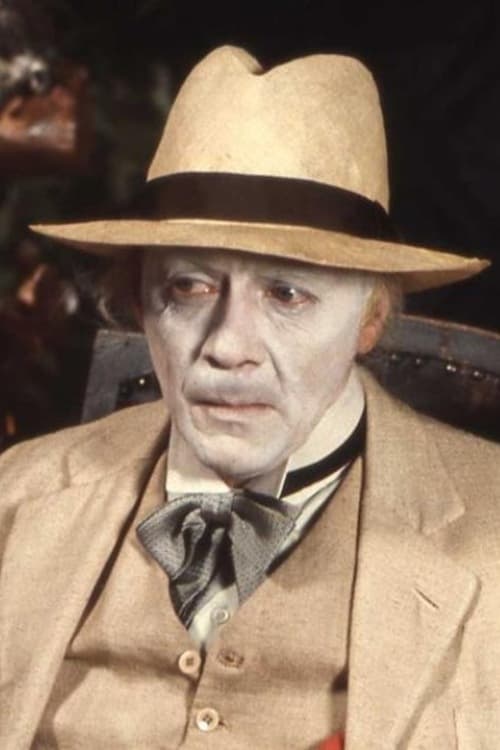
The Ghost Sonata (1972)
Director: Johan Bergenstråhle
Cast: Allan Edwall, Stefan Ekman, Lilian Johansson, Lars Lennartsson
Runtime91 min
Your reaction:
Watchlist:
The Ghost Sonata relates the adventures of a young student, who idealizes the lives of the inhabitants of a stylish apartment building in Stockholm. He makes the acquaintance of the mysterious Jacob Hummel, who helps him to find his way into the apartment, only to find that it is a nest of betrayal and sickness. The world, the student learns, is hell and human beings must suffer to achieve salvation. The play centers on a family of strangers who meet for the sake of meeting. They exchange no dialogue, nor gestures, they simply sit and bask in their own misfortune.
Critical Reception & Ratings
The Ghost Sonata is a 1972 Swedish drama film directed by Johan Bergenstråhle that received mixed reviews from critics. While it has not received major awards recognition, the film's exploration of the darker aspects of human nature and the suffering required for salvation has made it a thought-provoking work for audiences, as evidenced by its moderate ratings on IMDb and Rotten Tomatoes.
Why you might like this:
The Ghost Sonata (1972), directed by Johan Bergenstråhle, is a compelling drama that offers a unique and unsettling exploration of the human condition. With its stylized visuals and powerful performances from actors like Allan Edwall, the film invites viewers to delve into the complexities of betrayal, suffering, and the pursuit of salvation within the confines of a seemingly ordinary apartment building.
About
The Ghost Sonata is a play in three acts by the Swedish playwright August Strindberg. Written in 1907, it was first produced at Strindberg's Intimate Theatre in Stockholm on 21 January 1908. Since then, it has been staged by such notable directors as Max Reinhardt, Olof Molander, Roger Blin, and Ingmar Bergman. Bergman directed it four times: in 1941, 1954, 1973, and 2000. Strindberg took the title from Beethoven's Piano Sonata No. 17 in D minor, which he called 'The Gespenster Sonata', and also Piano Trio No. 5 in D major, known as the 'Ghost Trio'.
Read more on Wikipedia →