Loading movie...
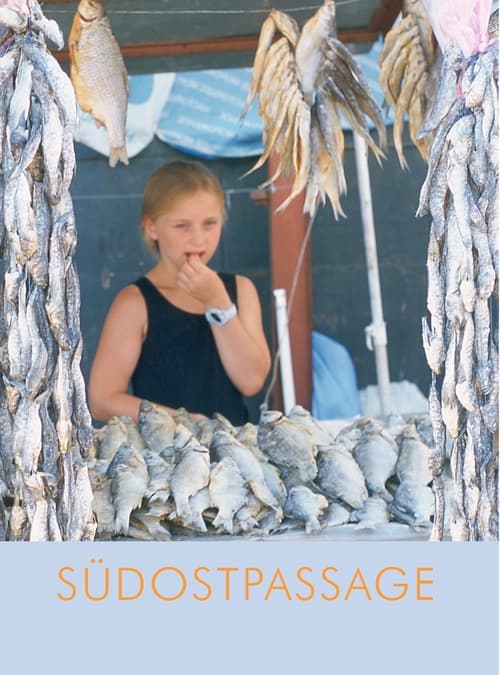
Southeast Passage (2002)
Director: Ulrike Ottinger
Cast: Hanns Zischler, Viktor Pavel, Oskar Pastior, Sissi Tax
Runtime363 min
Your reaction:
Watchlist:
Places and worlds beyond the interest of the media are at the mercy of the law of forgetting. The spotlight fades and that which urgently needs public attention lies in the dark: poverty, hopelessness, and the population's fear in the face of terror from the state or from gangs, of Mafia-like business practices and paramilitary despotism. This is not a journey to a far-off land, outside of our cultural circle; it takes place along the old transport and trade routes through the decaying empires of southeast Europe. The images collected at the side of the road distill something essential from a number of small but significant observations: the coincidence of the lack of coincidence in living conditions.
Why you might like this:
Fans of thoughtful documentaries that shed light on overlooked corners of the world will appreciate director Ulrike Ottinger's 2002 film Southeast Passage, which offers an immersive and visually striking journey along the decaying trade routes of southeast Europe, distilling essential insights from the coincidences and contrasts of everyday life.
About
The European-Asian sea route, commonly known as the sea route to India or the Cape Route, is a shipping route from the European coast of the Atlantic Ocean to Asia's coast of the Indian Ocean passing by the Cape of Good Hope and Cape Agulhas at the southern edge of Africa. The first recorded completion of the route was made in 1498 by Portuguese explorer Vasco da Gama, the admiral of the first Portuguese Armadas bound eastwards to make the discovery. The route was important during the Age of Sail, but became partly obsolete as the Suez Canal opened in 1869.
Read more on Wikipedia →