Loading movie...
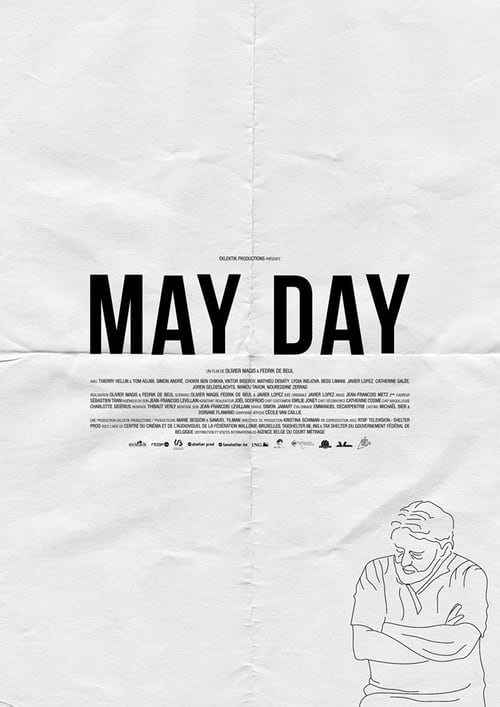
May Day (2017)
Director: Olivier Magis
Cast: Catherine Salée, Mathieu Debaty, Simon André, Lydia Indjova
Runtime22 min
Your reaction:
Watchlist:
In Thierry's living room, several people have gathered. None of them know each other but they are all there to try and fulfil the same dream. They want to find a job... and quickly. But we're in Brussels, so nothing goes quite as planned.
Critical Reception & Ratings
May Day (2017), directed by Olivier Magis, is a drama-comedy that follows several people in Brussels who have gathered in a living room, all seeking to quickly find employment. The film has received a mixed critical reception, with reviewers noting its humorous yet insightful portrayal of the challenges faced by those seeking work. Audience reception appears to be somewhat positive, though specific ratings are not widely available.
Why you might like this:
Directed by Olivier Magis, May Day (2017) blends comedy and drama to craft a heartwarming yet hilarious portrait of a group of job seekers in Brussels, showcasing the brilliant ensemble performances of actors like Catherine Salée and Mathieu Debaty as they navigate the challenges of the employment landscape with relatable humor and poignancy.
About
May Day is a European festival of ancient origins marking the beginning of summer, usually celebrated on May 1, around halfway between the Northern Hemisphere's spring equinox and midsummer solstice. Festivities may also be held the night before, known as May Eve. Traditions include gathering green branches and wildflowers, which are used to decorate buildings and made into wreaths; crowning a May Queen, sometimes with a male companion decked in greenery; setting up a Maypole, May Tree, or May Bush, around which people dance and sing; as well as parades and processions involving these. Bonfires are also a major part of the festival in some regions. Regional varieties and related traditions include Walpurgis Night in central and northern Europe, the Gaelic festival Beltane, the Welsh festival Calan Mai, and May devotions to the Blessed Virgin Mary. It has also been associated with the ancient Roman festival Floralia.
Read more on Wikipedia →