Loading director's films...
Movies by Per Anderson
1 movie found(1 total from TMDB)
About Per Anderson
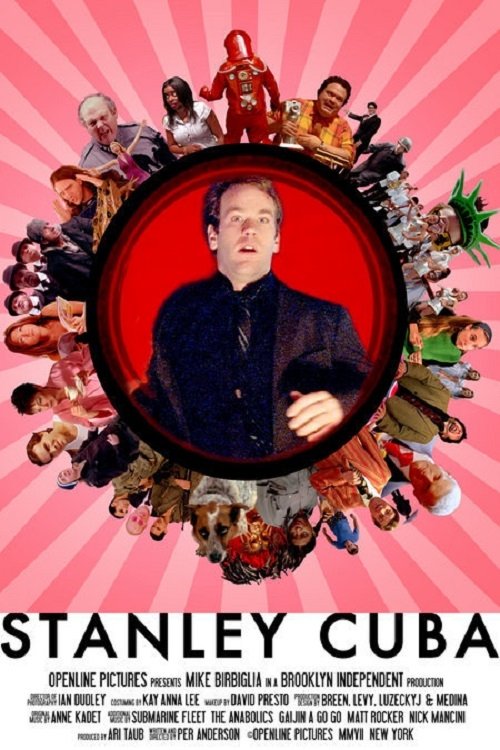
Per Anderson: An Auteur's Odyssey Through the Human Condition In an age of blockbuster spectacle and franchise filmmaking, Per Anderson stands out as an auteur whose work delves deep into the complexities of the human experience. With a distinctive visual style that is both stark and intimate, Anderson's films eschew easy answers, instead exploring the emotional and moral gray areas that define the human condition. His 2007 masterpiece, "Stanley Cuba," exemplifies Anderson's penchant for crafting intricate character studies that challenge audiences to empathize with flawed, often morally ambiguous protagonists. Set against the backdrop of the Cold War, the film follows a jaded CIA operative as he grapples with the consequences of his past actions, delivering a nuanced meditation on the nature of loyalty, sacrifice, and the price of power. Through his meticulous framing, Anderson creates a sense of unease and isolation that permeates the narrative, drawing the viewer into the protagonist's psychological journey. Anderson's filmography is marked by a consistent thematic exploration of the human condition, from the devastating grief that underpins "The Distant Shore" to the existential crisis at the heart of "The Quiet Room." With each new project, he ventures further into the depths of the human experience, challenging audiences to confront their own biases and preconceptions. It is this unwavering commitment to cinematic storytelling as a means of illuminating the complexities of the human experience that has earned Per Anderson a reputation as one of the most compelling and distinctive voices in contemporary cinema.