Loading director's films...
Movies by André Charpak
3 movies found(3 total from TMDB)
About André Charpak
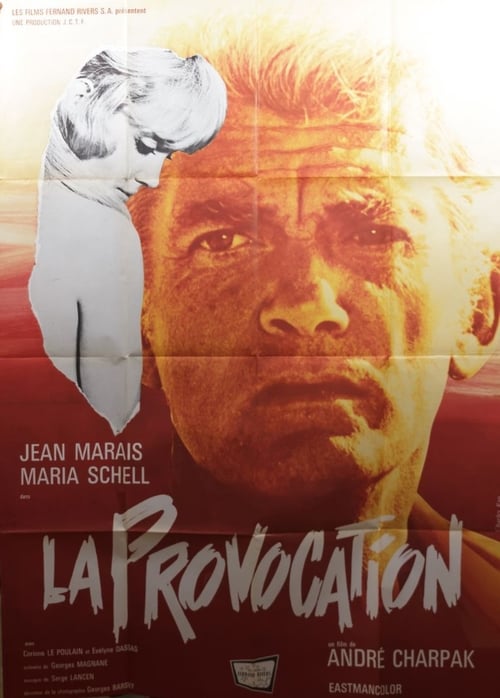
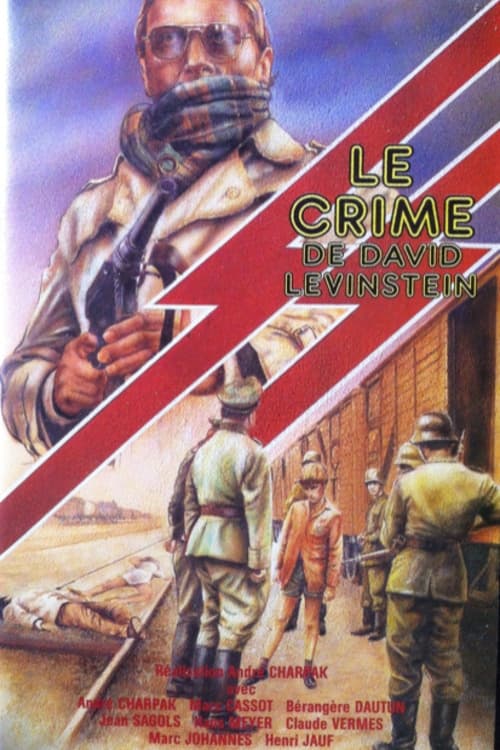
André Charpak: A Daring Auteur Exploring the Human Condition With a background in both acting and screenwriting, French director André Charpak brought a unique perspective to his craft, crafting films that delved into the complexities of the human experience. Unlike the glossy, escapist fare that dominated much of French cinema in the 1960s and 70s, Charpak's work was marked by a gritty realism and an unflinching examination of society's underbelly. His 1966 film Normal Life stands as an early highlight, a searing portrait of a working-class couple struggling to make ends meet in the face of economic hardship and the crushing weight of social expectations. Charpak's camera lingers on the mundane details of their daily lives, building a sense of intimacy that makes their ultimate downfall all the more devastating. The Crime of David Levinstein, released two years later, further cemented Charpak's reputation as a bold, uncompromising filmmaker, telling the story of a man driven to the brink by a society that refuses to offer him a path to redemption. In his 1970 film The Provocation, Charpak delved into even darker territory, crafting a haunting psychological thriller that challenged audiences to confront their own moral biases. With its intricate, non-linear narrative and unflinching portrayal of human cruelty, the film stands as a testament to Charpak's skill in using cinema as a tool for social commentary and self-reflection. Though his filmography may be relatively small, André Charpak's work has left an indelible mark on the French New Wave, inspiring generations of filmmakers to embrace the power of cinema to illuminate the complexities of the human condition.