Loading director's films...
Movies by Albert McCleery
3 movies found(3 total from TMDB)
About Albert McCleery
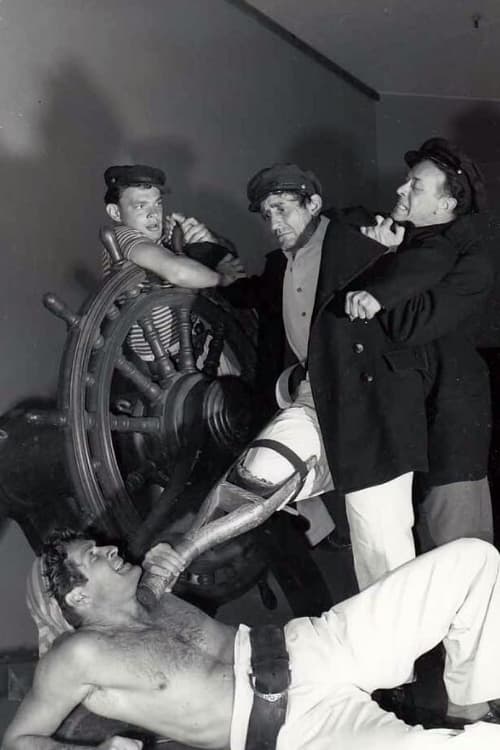
Albert McCleery: A Pioneer of Early Television Drama In the formative years of television, Albert McCleery emerged as a visionary director who pushed the boundaries of the new medium. With a background in theater and a keen eye for visual storytelling, McCleery crafted some of the most acclaimed and groundbreaking dramas of the 1950s, earning a reputation as an "innovative contributor to some of television's most esteemed theatrical productions." McCleery's distinctive approach blended the intimacy of live television with a cinematic flair, creating immersive theatrical experiences for viewers. His adaptations of literary classics, such as the 1954 production of "Moby Dick," captivated audiences with their dynamic camerawork and atmospheric sets, transporting them into the heart of the narrative. Similarly, in "Horace Mann's Miracle" (1953), McCleery displayed a masterful touch for character-driven dramas, delving into the complexities of the human experience with nuance and empathy. Beyond his acclaimed adaptations, McCleery's original work, such as the suspenseful thriller "Why Drown?" (1966), showcased his versatility and his ability to craft taut, compelling narratives. With a focus on psychological depth and a willingness to tackle challenging subject matter, McCleery's films left a lasting impact on the evolution of television drama, paving the way for future generations of visionary storytellers.